

Around the age of 10 to 12, something shifts in how children deal with tension.
Where younger children tend to show their fear openly, children at this age often try to appear “brave”. They do not want to stand out, seem childish, or show that they are afraid of a needle.
For parents, this can be confusing. What do you do when you sense your child is anxious, but at the same time they are trying to hide it?
With HPV vaccination at this age, it is not just about needle fear. Shame and peer pressure play a significant role. And that is often where the key lies in how you can help as a parent.
Why needle anxiety feels different at this age
A child aged 10 or 11 is in a transition phase. They think ahead, become more aware of others, and start comparing themselves to peers.
This means that a vaccination is not just a physical event, but also a social one.
Thoughts that may arise:
- “What if others see that I’m scared?”
- “I don’t want to be the only one who finds this difficult”
- “I have to act tough”
As a result, anxiety becomes less visible, but not less present.
In fact, the body may build up more tension, because there is less room to express it.
Shame makes needle anxiety more complex
Many parents recognise needle fear, but fewer recognise the role of shame.
Shame can lead a child to:
- talk less about their anxiety
- reject help
- withdraw
- only “freeze” at the last moment
You might hear:
“It’s fine.”
“I’m not scared.”
While at the same time, the body is already in a stress response.
This is not denial. It is a way for the child to maintain control over how they are perceived.
Peer pressure during vaccination: what is happening?
During HPV vaccination (often in a school or group setting), peer pressure becomes relevant.
Children observe each other:
- Who stays calm?
- Who reacts emotionally?
- Who says something?
This can work in different ways:
- Some children feel supported by the group
- Others experience increased stress
Especially children who are sensitive to how they appear to others may experience more tension than parents realise.
How to support your child without amplifying the anxiety
Many parents either try to talk extensively about the fear or minimise it. Both approaches can unintentionally increase tension.
A more subtle approach is often more effective.
1. Acknowledge without exaggerating
Keep it simple and neutral:
“Many children find this a bit exciting.”
This gives recognition without making it heavier.
2. Give space without pushing
Ask open questions, but accept it if your child does not want to engage.
Sometimes it is enough that your child knows they can talk, without feeling they have to.
3. Focus on control
Children at this age want a sense of autonomy.
Offer small choices:
- Do you want to sit or lie down?
- Do you want me to be there?
- Do you want to listen to music?
Even small elements of control can reduce stress.
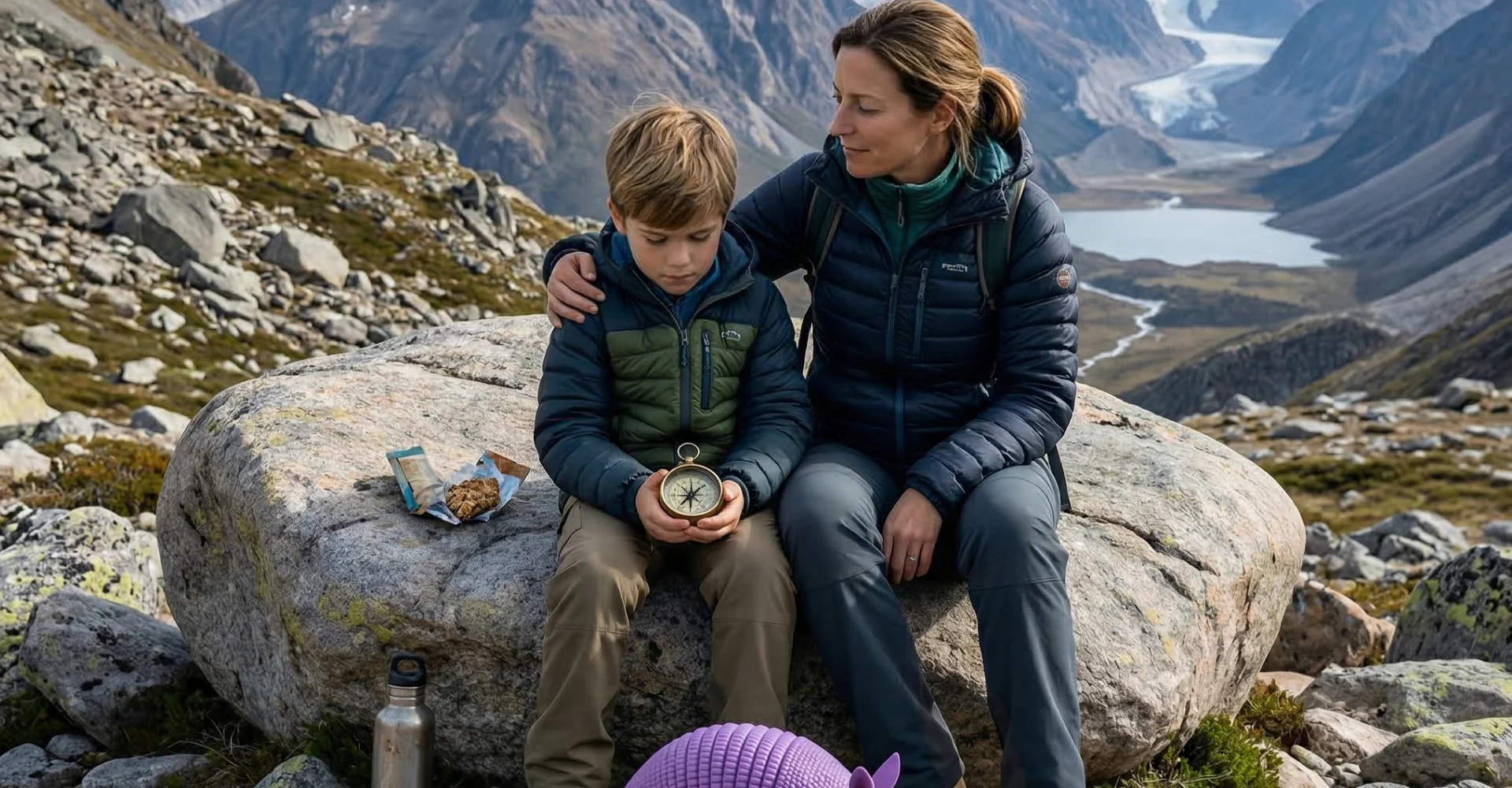
Practising without making it feel like practice
Children aged 10–12 often do not want to feel like they are being “trained” or “treated”.
That is why it helps to integrate regulation in a subtle way.
For example:
- breathing calmly together before bedtime
- taking a quiet moment without labelling it
- briefly noticing tension in the body and releasing it
Not as a technique for fear, but as something normal.
This aligns better with how children at this age want to feel: independent and not “managed”.
The role of AINAR: discreet and self-directed
From conversations with parents, one expectation stands out: they want their child to feel calmer in the moment itself, so the vaccination can simply take place.
AINAR supports this.
The app helps children to:
- recognise early signs of tension
- gradually regulate their stress
- practise independently and discreetly
That last part is especially important when shame and peer pressure are involved.
Children do not need visible support. They can practise in their own way.
Not through distraction alone, but by learning to understand what their body is doing.
On the day of the vaccination: what helps and what does not
The day itself is often when everything comes together.
What helps:
- not placing extra emphasis on the event
- staying calm
- avoiding repeated check-ins about fear
- being present without directing
What tends to be less helpful:
- talking excessively just before the injection
- reassuring with “it’s nothing”
- comparing with other children
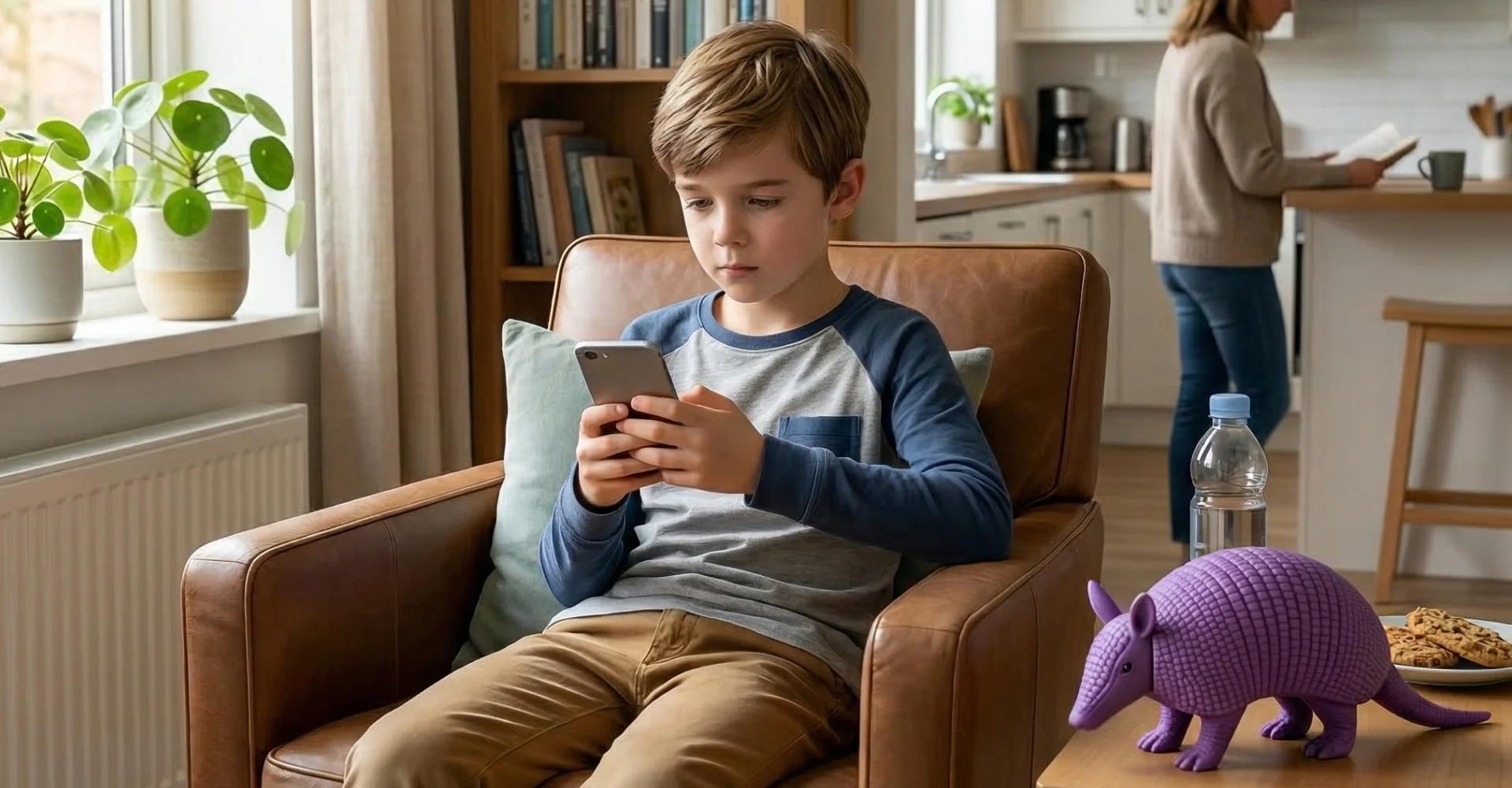
Children are highly sensitive to tension. Calm presence is often more effective than words.
Final thoughts
Needle anxiety in children aged 10–12 is rarely just about the needle itself. Shame, peer pressure and the desire to appear strong all play a role.
That is why this age group requires a different approach.
Not amplifying.
Not ignoring.
But guiding, in a way that respects their need for autonomy.
When children learn that tension is allowed to exist — and that they can manage it — their experience changes.
Not only for this vaccination, but for future healthcare moments as well.
